Nominations now open — Submit before 15 December 2026 · Free to enterSubmit Now
Hospitality Excellence — International Recognition

GlobalHospitalityAwards

Honouring hotels, resorts, boutique stays, luxury hospitality groups, spa and wellness hospitality, and outstanding guest experience providers worldwide.

Scroll to explore
About the Awards

Celebrating hospitality, hotels & guest experience
at its finest

The Global Hospitality Awards honours the hotels, resorts, and hospitality groups creating the world's most memorable guest experiences — from intimate boutique properties and design hotels to grand luxury resorts and innovative hospitality concepts.

Our independent judging panel — composed of hospitality executives, travel editors, and guest experience specialists — evaluates every nomination for quality of accommodation, service excellence, culinary offering, and overall guest experience.

"Exceptional hospitality is felt, not explained. The Global Hospitality Award is the independent proof that your guests feel it too."

50+
Countries
600+
Winners
11
Core Categories
5
Years Running
Who Can Enter

Hotels, resorts, boutique properties, serviced apartments, glamping sites, hospitality management groups, and spa and wellness retreats worldwide.

Independent properties and global hospitality groups are equally welcome. The award recognises guest experience excellence at every scale.

Award Categories

The sub-industries
we recognise

The Global Hospitality Awards covers eleven categories spanning hotels, resorts, spas, dining, and guest experience innovation.

01
Best Luxury Hotel
Recognising the pinnacle of hotel luxury, service, and high-end guest amenities.
02
Best Boutique Hotel
Honouring independent hotels that offer a unique character and personalised service.
03
Best Resort
Celebrating destination resorts that provide a complete and exceptional holiday experience.
04
Best City Hotel
Awarding hotels that excel in serving urban travellers through location, service, and facilities.
05
Best Spa & Wellness Hotel
Recognising hotels that integrate world-class spa and wellness offerings into the guest stay.
06
Best Serviced Apartment or Extended Stay
Honouring the providers of high-quality long-term accommodation with hotel-style service.
07
Best Eco or Sustainable Hotel
Celebrating hotels that lead the way in environmental sustainability and ethical hospitality.
08
Best Hotel Restaurant
Awarding excellence in culinary offering and service within a hotel environment.
09
Best Guest Experience Initiative
Recognising a single project or initiative that has significantly enhanced the guest journey.
10
Best Hospitality Group
Honouring the management teams and groups that demonstrate excellence across multiple properties.
11
Hotel of the Year
The flagship award for the hotel that has set the standard for hospitality excellence globally.
✦
...and many more

We recognise excellence across all specialized sub-categories and disciplines within Hospitality, Hotels & Guest Experience.

How It Works

A rigorous,
transparent
process

Every nomination submitted to the Global Hospitality Awards is assessed through the same independent, structured process — ensuring fairness, credibility, and genuine prestige for every winner.

01
Submit Your Nomination
Complete the nomination form with details about the business, project, or professional you wish to put forward. Nominations are accepted year-round.
02
Initial Eligibility Review
Our editorial team reviews all submissions to confirm eligibility, completeness, and alignment with the relevant category criteria.
03
Independent Evaluation
Shortlisted nominees are assessed by our independent judging panel — senior professionals drawn from across the Hospitality, Hotels & Guest Experience industry internationally.
04
Winner Announcement
Winners are notified, formally announced, and presented with their Global Hospitality Awards digital credentials and certification.
05
Profile Publication
Each winner receives a dedicated profile page published on the Global Hospitality Awards website, with backlinks and social promotion across the Global Awards network.
Past Winners

Recognised for
excellence
Marriott International
Hospitality
Marriott International
Marriott International is a multinational hospitality company that operates, franchises, and licenses hotels, resorts, residential, and timeshare properties worldwide. It is the world’s largest hotel company by number of rooms and a major player in global travel and tourism.
Hilton Hotels & Resorts
Hospitality
Hilton Hotels & Resorts
Hilton Hotels & Resorts is the flagship brand of Hilton Worldwide Holdings Inc., representing one of the world’s most recognizable names in hospitality. Known for blending global sophistication with local culture, it provides upscale accommodations, event spaces, and dining in nearly 100 countries.
Accor
Hospitality
Accor
Accor is a French multinational hospitality group headquartered in Issy-les-Moulineaux, near Paris. Founded in 1967, it operates and franchises thousands of hotels, resorts, and restaurants across over 110 countries. The company is recognized among the world’s largest hospitality groups, offering a portfolio of more than 45 brands spanning luxury to economy.
RH
Hospitality
Radisson Hotel Group
Radisson Hotel Group (RHG) is a global hospitality company headquartered in Brussels, Belgium. It operates and franchises hotels across Europe, the Middle East, Africa, and Asia-Pacific under ten distinct brands, positioning itself as one of the world’s largest and most regionally focused hotel groups. The company emphasizes sustainable operations and service excellence through its “Every Moment Matters” ethos and “Yes I Can!” service philosophy

Club Med
Hospitality
Club Med
Founded in 1950, Club Med (short for Club Méditerranée) is a French hospitality company that pioneered the all-inclusive resort concept. It operates around 70 premium beach and mountain resorts worldwide and is recognized for blending recreation, cultural exchange, and relaxation in a carefree atmosphere.
Belmond
Hospitality
Belmond
Belmond is a global luxury travel and hospitality company known for its collection of iconic hotels, trains, river cruises, and safari lodges. The brand emphasizes heritage, distinctive design, and experiential travel in celebrated destinations across the world.
Four Seasons Hotels & Resorts
Hospitality
Four Seasons Hotels & Resorts
Founded in 1960, Four Seasons Hotels & Resorts has redefined the meaning of modern luxury through an unwavering commitment to personalized service and innovation. What began as a single motor hotel in Toronto has grown into a global icon, now operating over 100 properties in the world’s most sought-after destinations. The heart of the Four Seasons experience is its people. Driven by the Golden Rule—to treat others as you would wish to be treated—the company has built a legendary reputation for "anticipatory service," where every guest's needs are met before they are even voiced.

Rosewood Hotels & Resorts
Hospitality
Rosewood Hotels & Resorts
Established in 1979 in Dallas, Texas, Rosewood Hotels & Resorts has built an international reputation for creating an "ever-evolving collection of one-of-a-kind destinations". The brand currently manages a portfolio of 41 ultra-luxury properties across 23 countries, including legendary landmarks like The Carlyle in New York, Hôtel de Crillon in Paris, and newer icons such as Rosewood Hong Kong.
InterContinental Hotels Group
Hospitality
InterContinental Hotels Group
With roots stretching back to 1777, IHG Hotels & Resorts has evolved into one of the world's largest and most diverse hospitality organizations. Today, the group manages a sprawling global footprint of over 6,900 properties across more than 100 countries, encompassing 19 distinct brands that cater to every type of traveler—from the everyday comfort of Holiday Inn to the ultra-luxury experiences of Six Senses and Regent.
Hyatt Hotels Corporation
Hospitality
Hyatt Hotels Corporation
Since its founding in 1957 with a single motor lodge at LAX, Hyatt Hotels Corporation has grown into a global hospitality leader defined by architectural innovation and a deeply human-centric culture. Today, the Chicago-based company manages a diverse portfolio of more than 1,450 properties across more than 80 countries, spanning legendary brands like Park Hyatt, Andaz, and Hyatt Regency.

Shangri-La Group
Hospitality
Shangri-La Group
Founded in 1971 with the opening of its flagship hotel in Singapore, Shangri-La Group has grown into one of the world's premier luxury hospitality groups, renowned for pioneering a signature style of "hospitality from the heart." Inspired by the mythical paradise described in James Hilton's 1933 novel Lost Horizon, the group has spent over five decades creating sanctuaries of peace and cultural richness across the globe.


Mandarin Oriental Hotel Group
Hospitality
Mandarin Oriental Hotel Group
Established in 1963 with the opening of its flagship property in Hong Kong, Mandarin Oriental Hotel Group has become a world-renowned symbol of 21st-century luxury steeped in oriental charm. The group’s identity is defined by its "dual Asian heritage," blending the pioneering spirit of its Hong Kong origins with the legendary 150-year service tradition of The Oriental in Bangkok. Today, Mandarin Oriental operates a prestigious global portfolio of 45 hotels, 15 residences, and 39 exceptional homes across 28 countries and territories. Each property is uniquely designed to reflect the "Essence of the Destination," often symbolized by a signature fan, a piece of art custom-crafted by local artisans to mirror the culture and history of its specific location.
Great Plains Conservation
Hospitality
Great Plains Conservation
Great Plains Conservation operates intimate safari camps across Botswana, Kenya and Zimbabwe, with Botswana among its important destinations. Founded by filmmakers and conservationists Dereck and Beverly Joubert, the organisation builds its guest experience around wildlife-rich landscapes, professional guiding and accommodation designed for a relatively small number of visitors. Its Explorer and Réserve collections offer different styles of safari lodging, with activities that may include game drives, guided walks and water-based excursions according to the location. The hospitality proposition connects a premium wilderness stay with the company’s stated commitment to conservation tourism. Great Plains says guest revenue contributes to wildlife protection and community initiatives, but the scale and results of these projects should be assessed independently. For the Global Hospitality Awards, the business is a prospect for safari lodge operations, distinctive guest experiences and place-sensitive accommodation. Relevant judging evidence would include guiding quality, safety procedures, service consistency and verified local or ecological outcomes.
Singita
Hospitality
Singita
Singita is a South African-rooted safari hospitality brand whose story began with Singita Ebony Lodge in the Sabi Sand in 1993. Its portfolio now extends across several African wildlife regions, combining lodges, tented camps and private-use accommodation. In South Africa, properties in the Sabi Sand and Kruger National Park place architect-designed rooms, food, guiding and wildlife observation within protected natural settings. The company positions unhurried stays and a strong connection to place at the centre of its service approach. Singita describes a long-term purpose involving biodiversity, sustainability and community partnerships, alongside its guest-facing operation. The connection between conservation and hospitality offers an important area of inquiry, although reported outcomes require independent evidence. It is relevant to premium safari accommodation, destination experiences and specialist hotel operations. An assessment should separate the brand’s reputation from current measures of staff training, guest care, food quality, operational safety and conservation practice.
Zannier Omaanda
Hospitality
Zannier Omaanda
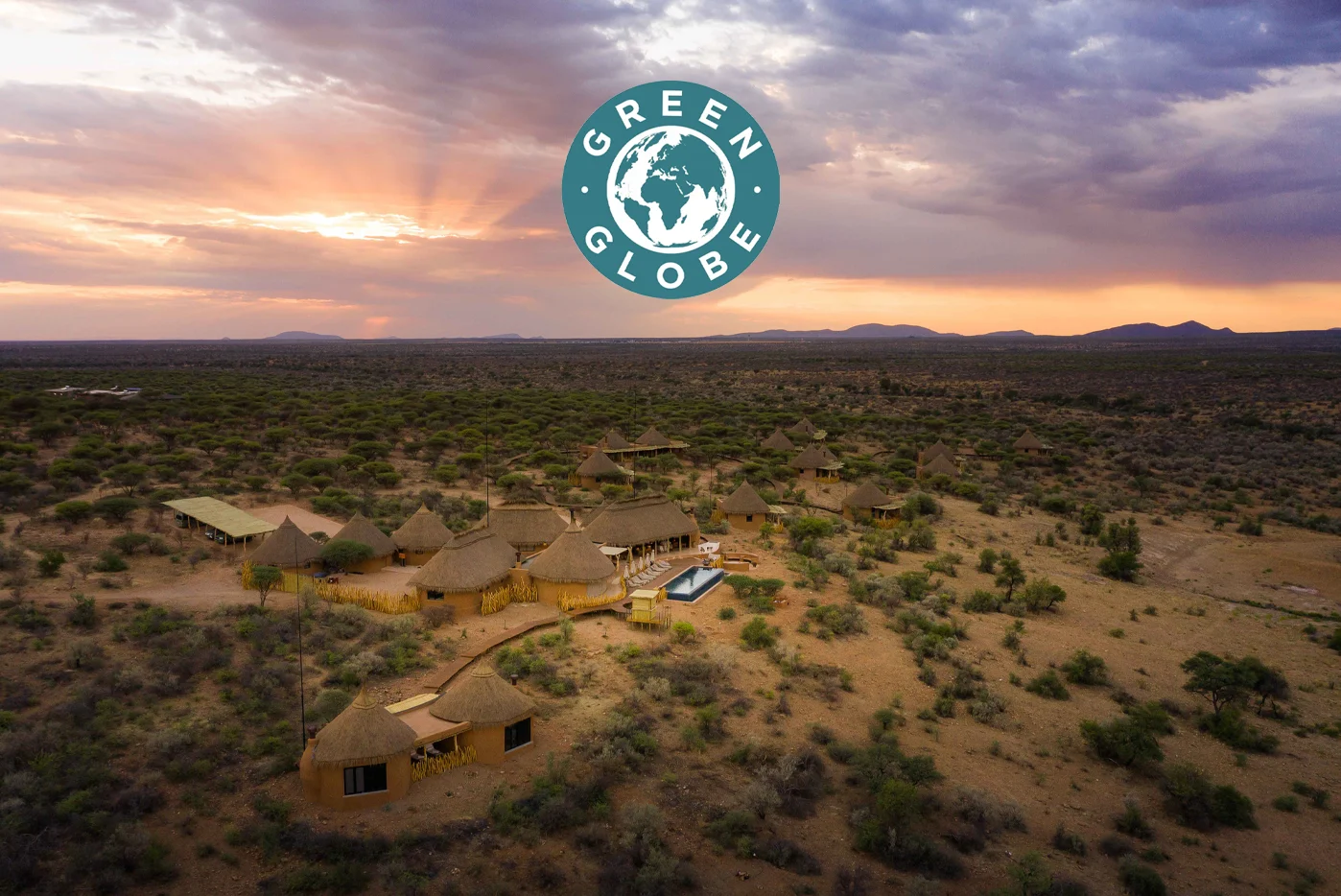
Zannier Omaanda is a luxury lodge outside Windhoek, Namibia, set within a wildlife reserve landscape. Its accommodation uses traditional architectural references in thatched, private dwellings while combining the intimacy of a small retreat with contemporary comforts. Guests can experience the savannah through guided wildlife activities and spend time around the lodge’s dining and leisure facilities. The property also forms part of Zannier Hotels’ broader collection of destination-led stays. Omaanda presents a model in which design is closely tied to the character of a specific destination, rather than following a standardised city-hotel formula. It is a prospective fit for safari lodges, small-scale luxury hospitality and experience design. Awards research should focus on the quality of guiding, the effectiveness of the guest service, food and housekeeping, and the evidence supporting the property’s environmental positioning. Its management and ownership relationships should also be identified before formal outreach.
The Safari Collection
Hospitality
The Safari Collection
The Safari Collection is a Kenyan hospitality and safari business associated with properties including Giraffe Manor in Nairobi, Sasaab in Samburu and Sala’s Camp in the Maasai Mara. Its portfolio combines boutique lodging with wildlife-focused journeys across different environments. Giraffe Manor is especially distinctive for its historic manor setting and resident giraffes, while the more remote camps offer guided safari experiences, private accommodation and a strong sense of landscape. The collection coordinates not only rooms but also the experience of travelling between properties, with activities and local expertise shaping each itinerary. This gives the business a position between boutique hotel operator and specialist destination host. It is relevant to safari guest service, experiential hospitality and multi-property itinerary design. Any judging should independently consider animal welfare, guest safety, guide competence, service quality and the factual basis of published community or sustainability programmes.
Wilderness Bisate
Hospitality
Wilderness Bisate
Wilderness Bisate is a distinctive lodge near Rwanda’s Volcanoes National Park, one of the region’s principal mountain gorilla destinations. Its forest villas take design inspiration from local architectural and cultural references, with views towards the Virunga volcanoes. The lodge’s location supports guided primate experiences and other outdoor activities while offering a quieter accommodation setting for visitors planning conservation-focused travel. The property is presented as part of Wilderness’s wider approach to nature tourism, including tree planting and community relationships. As a hospitality prospect, Bisate can be considered for immersive lodge stays, destination service and environmentally sensitive property design. Because gorilla trekking depends on permits, specialist guiding and conservation rules, assessment should pay particular attention to coordination, accurate guest information, operational safeguards and evidence behind the company’s conservation claims rather than treating marketing descriptions as verified outcomes.
Lemala Camps & Lodges
Hospitality
Lemala Camps & Lodges
Lemala Camps & Lodges operates a collection of tented camps, lodges and private accommodation in northern Tanzania, alongside a property in Uganda. Locations across the Serengeti, Ngorongoro, Tarangire and Arusha give guests varied access to wildlife and landscapes. Its offerings range from traditional tented safari stays to more contemporary lodges, supported by guided game drives and other activities that reflect the area and season. Lemala’s published approach emphasises professional hospitality in remote surroundings, with cuisine, guiding and logistics forming one connected visitor experience. The company also discusses staff development and support for local communities. It is a research prospect for adventure hospitality, safari operations and the consistent delivery of guest services across a varied portfolio. Formal evaluation should confirm current property standards, guide and vehicle arrangements, guest feedback, and measurable evidence of any community initiatives.
El Fenn
Hospitality
El Fenn
El Fenn is a boutique hotel in the Marrakech medina that began in 2004 with a small group of rooms inside a historic riad. Over time it expanded into connected buildings with guestrooms, restaurants, gardens, pools and a spa. Its identity combines Moroccan craft traditions, colourful interiors, modern furniture and contemporary art, giving the property a strong creative personality while keeping the surrounding city close to the guest experience. El Fenn’s published history describes a change in ownership in 2025, when it joined the Moroccan boutique-hotel collection Akan. Its evolving design, cultural links and combination of accommodation, food and art make it a prospect for boutique hospitality and heritage-led hotel concepts. An awards review should assess room comfort, maintenance, guest service, culinary standards and the contribution of local makers. Ownership and current operating arrangements should be checked at nomination stage.
CGH Earth
Hospitality
CGH Earth
CGH Earth is an Indian hospitality business rooted in southern India, with a history beginning at Kochi’s Casino Hotel in the 1950s. Its current portfolio spans experience hotels and wellbeing properties that draw on the cultural and environmental character of their destinations. Coastal stays, nature-oriented accommodation and Ayurveda-related offerings sit within a broader approach that values local materials, regional food and close connections with host communities. The company describes environmental care, cultural sensitivity and employment relationships as central to its operating philosophy. For the Global Hospitality Awards, CGH Earth is relevant to destination-sensitive hotel management, regional culinary experiences and wellness-led accommodation. Judging should examine the guest journey across different kinds of property, as well as independent evidence of environmental practices and any health-related credentials or treatment claims. Its portfolio scale should also be considered when determining appropriate entry categories.
HOSHINOYA Karuizawa
Hospitality
HOSHINOYA Karuizawa
HOSHINOYA Karuizawa is a Japanese countryside resort operated by Hoshino Resorts in Nagano Prefecture. Designed around a waterside natural setting, the accommodation places contemporary comfort within a landscape of trees, streams and seasonal change. Guests are encouraged to spend time outdoors and encounter the surrounding ecology, with activities such as birdwatching and local exploration adding substance to the stay. The resort is an example of hospitality shaped by pace, atmosphere and nature rather than by an extensive list of conventional hotel attractions. Its service proposition also draws on Japanese approaches to attention and quietness. It could be researched for destination resorts, guest experience and landscape-led hotel design. A formal assessment should look at staff service, room quality, accessibility, food and beverage, and how effectively visitor activity is managed alongside the local environment.
Capella Ubud
Hospitality
Capella Ubud
Capella Ubud is a tented resort in Bali, Indonesia, set among tropical greenery near the village of Keliki. Its accommodation combines the spirit of an exploration camp with carefully designed indoor and outdoor spaces, including private pools. Individual tents overlook the surrounding vegetation or valley landscape, creating an experience that differs from both a conventional large resort and a simple outdoor campsite. Within Capella Hotels’ portfolio, the Ubud property demonstrates how distinctive design, dining and personal service can create a focused destination concept. It is a prospective candidate for design-led resort accommodation, experiential hospitality and intimate guest service. Evaluation should consider maintenance in a tropical environment, food and beverage, privacy, staff training and the quality of the visitor programme. Awards claims should be supported with direct guest evidence rather than brand prestige alone.
The Siam
Hospitality
The Siam
The Siam is a boutique luxury hotel on Bangkok’s Chao Phraya River. Its grounds combine gardens, suites, pool villas, art and antiques within an urban sanctuary close to historical attractions. Guests can use dining and spa facilities and take part in carefully arranged experiences linked to Thai culture, including food, heritage and creative activities. Its setting distinguishes it from the high-rise business and leisure hotels found elsewhere in the capital. The hotel makes design and cultural interpretation part of the guest experience rather than treating them only as decoration. It is a relevant prospect for boutique city hospitality, personalised service and spa-led stays. A judging panel would need to examine the quality and consistency of accommodation, dining, concierge support and cultural programming, as well as the hotel’s management and safety arrangements. Its aesthetic reputation is useful context but not a substitute for performance evidence.
Azerai La Residence Hue
Hospitality
Azerai La Residence Hue
Azerai La Residence Hue is a riverside hotel in the Vietnamese city of Hue. Its central mansion dates to the 1930s and reflects Art Deco architecture, while newer wings frame landscaped grounds and a swimming pool. The property’s setting along the Perfume River places it close to the city’s historic and cultural attractions, making heritage and location important elements of a guest’s visit. Operated within the Azerai hotel collection, La Residence offers a contrast to beach resorts and urban tower hotels by using architecture and regional context as its main point of differentiation. It could be assessed for heritage accommodation, guest experience and cultural destination services. Judges should consider room care, restoration standards, food, staff knowledge and how accurately the hotel interprets local history. Any published accolades should be verified directly before external awards publicity.
The Fullerton Bay Hotel Singapore
Hospitality
The Fullerton Bay Hotel Singapore
The Fullerton Bay Hotel is a waterfront property at Singapore’s Marina Bay, operated within The Fullerton Hotels and Resorts portfolio. Its modern architecture and accommodation are designed around views of the bay and the city’s heritage district. Restaurants and public spaces complement the rooms, making the property a destination for both overnight visitors and guests seeking dining or social experiences close to the central business area. The hotel is a relevant example of a city property that balances business-travel requirements with a more leisure-focused sense of place. For the Global Hospitality Awards, it could be considered in premium urban accommodation, guest service or food and beverage. An assessment should examine room standards, accessibility, cleanliness, concierge response and consistency across hospitality teams. The nominated entity should be defined clearly because the property belongs to a wider hotel group.
The Danna Langkawi
Hospitality
The Danna Langkawi
The Danna Langkawi is a beachside resort on Malaysia’s Langkawi island, offering guestrooms, suites and private pool villas. Its design draws on colonial and Mediterranean influences while opening towards the Andaman Sea. The property combines accommodation with multiple dining venues, a spa and leisure facilities, serving travellers looking for a resort stay with convenient access to the island’s natural scenery. The Danna’s mix of room types and hospitality facilities creates several different guest journeys, from family stays to private-villa escapes. It is a prospect for beach resorts, service quality and resort food and beverage. Judging should distinguish the property’s published design and amenity list from evidence of consistent delivery: room upkeep, staff responsiveness, dining quality, accessibility and the experience of different guest groups should all be assessed. Current ownership and operating details should be verified before outreach.
TP
Hospitality
THE PIG Hotels
THE PIG is a collection of relaxed country and coastal hotels in England built around the idea that the restaurant and kitchen garden should be central to a stay. The first property opened in the New Forest in 2011, and the group later developed hotels in other countryside settings and historic buildings. Menus are influenced by garden produce and neighbouring suppliers, while accommodation and interiors emphasise comfort, local identity and informal service. The format links food sourcing, hotel operations and the surrounding landscape into one clear concept. THE PIG could be considered for boutique group hospitality, culinary hotel experiences and destination-sensitive accommodation. Judging should look at the consistency of service across different properties, food standards, staff development and the strength of local supplier relationships. It should also assess whether environmental claims are supported by current operational records rather than by the appeal of the kitchen-garden story.
Les Sources de Caudalie
Hospitality
Les Sources de Caudalie
Les Sources de Caudalie is a hotel near Bordeaux, located among the vineyards of Château Smith Haut Lafitte. Its accommodation brings together countryside architecture, restaurants and a Vinothérapie spa associated with the Caudalie brand. Guests can experience regional food and wine, as well as leisure and wellness activities that make the property more than a place to sleep. The surrounding vineyard landscape is integral to its identity. The hotel offers a strong example of a hospitality proposition built around gastronomy, regional culture and wellness. It is a prospective entrant for vineyard accommodation, hotel dining and spa guest experience. An independent review should assess room service, restaurant execution, staff expertise and the safety and quality of spa operations. Environmental certifications and any external distinctions should be checked with the issuing bodies if included in an award submission.
25hours Hotels
Hospitality
25hours Hotels
25hours Hotels is a Germany-rooted lifestyle hospitality brand that develops individual city hotels with strong links to local design, cultural scenes and neighbourhood activity. Its properties commonly combine visually distinctive rooms with restaurants, bars and public spaces intended for both travellers and local visitors. The group is part of Ennismore, an international hospitality business, and operates beyond Germany. Rather than applying a single design template to every destination, 25hours presents each hotel as a response to its location. This gives the brand relevance to creative urban hospitality, food and beverage experiences and community-facing hotel concepts. For formal awards consideration, judges should identify the specific hotel or business unit being assessed and examine guest service, cleanliness, accessibility and the performance of its public spaces. The wider group relationship also matters for eligibility.
Hospes Hotels
Hospitality
Hospes Hotels
Hospes Hotels operates a Spanish collection of boutique properties that place contemporary hotel comfort inside distinctive historic settings. Its portfolio includes buildings such as former palaces and grand houses in cities and destinations across Spain. Accommodation, restaurants and wellness facilities are designed around the architectural character of each location, with the aim of giving guests a sense of the city rather than a standardised hotel environment. The company offers a case study in adapting historic buildings for modern guest needs while retaining a strong regional identity. Hospes is a prospective fit for boutique hotel groups, heritage accommodation and destination service. Judging should examine restoration and property care, room standards, food, accessibility and the quality of the staff welcome. Evaluators should also assess consistency across properties without assuming that a common brand guarantees identical guest outcomes.
Lefay Resorts & Residences
Hospitality
Lefay Resorts & Residences
Lefay Resorts & Residences is an Italian hospitality and wellness brand associated with resort properties at Lake Garda and in the Dolomites. Its concept combines spacious accommodation, mountain or lake scenery, wellness facilities and a developed spa programme. The business describes its Lefay SPA Method as an approach joining different wellness traditions and offers both treatments and broader retreat experiences. Lefay illustrates how spa provision can become the organising principle of a hotel rather than an additional leisure facility. Its business is relevant to wellness resorts, guest experience and destination hospitality. A formal assessment should distinguish relaxation services from any claims of medical or therapeutic effectiveness, which require suitable evidence and oversight. Other appropriate criteria include therapist training, guest safety, food and beverage, room quality and the integration of wellness into day-to-day service.
PURO Hotels
Hospitality
PURO Hotels
PURO Hotels is a hotel brand established in Poland with properties in cities including Warsaw, Krakow, Gdansk, Lodz, Poznan and Wroclaw. Its urban hotels bring contemporary design, artwork and communal areas together with restaurants and bars. The company seeks to reflect the culture of each destination, giving its rooms and public spaces a local identity rather than relying entirely on a repeated visual formula. PURO offers a useful example of modern urban hospitality in which neighbourhood life and hotel facilities are intended to overlap. It is a prospect for design hotels, business-leisure accommodation and guest-facing food and beverage. An awards assessment should consider staff service, room comfort, operational consistency and accessibility across different sites. Future openings and expansion plans should be treated separately from established trading operations when determining the appropriate nominee.
Memmo Hotels
Hospitality
Memmo Hotels
Memmo Hotels is a Portuguese boutique hospitality brand associated with properties in Lisbon and the Algarve. Its Memmo Alfama hotel is set within Lisbon’s old quarter, offering contemporary accommodation, a terrace and views towards the Tagus River. The wider brand uses local character and understated design to connect stays with their neighbourhoods, while properties such as Memmo Baleeira serve a more coastal guest experience. The brand’s proposition is that a smaller hotel can provide access to local culture rather than feeling separate from its surroundings. Memmo is relevant to boutique accommodation, urban guest experience and destination-based hospitality. Judges should examine how effectively this promise is realised through staff knowledge, booking support, comfort, dining and locally arranged activities. As with other multi-property brands, the specific hotel or operating business nominated should be clearly identified.
UXUA Casa Hotel & Spa
Hospitality
UXUA Casa Hotel & Spa
UXUA Casa Hotel & Spa is a boutique hospitality property in Trancoso, Bahia, built around a collection of individual houses near the historic Quadrado. Several casas occupy restored local buildings, while interiors combine traditional craft techniques and reclaimed materials with distinctive design. Its offer extends beyond accommodation to a spa, dining and a beach lounge, allowing visitors to experience the village and the nearby coast. The property demonstrates a style of hospitality in which rooms feel more like individual homes than identical hotel units. It is a prospective candidate for boutique stays, heritage restoration and guest experience. Judging should examine the quality of the service across its different accommodation types, maintenance, culinary operations and local partnerships. Claims around cultural preservation or environmental benefits should be supported by evidence, particularly where traditional craftsmanship is central to the marketing story.
Chablé Hotels
Hospitality
Chablé Hotels
Chablé Hotels is a Mexican hospitality collection operating nature-oriented resorts in the Yucatán Peninsula and along the Riviera Maya. Its properties combine private accommodation with spa experiences, restaurants and landscapes shaped by local ecology and heritage. Chablé Yucatán and Chablé Maroma offer different settings, but both connect contemporary comfort with Mexican materials, culture and a strong focus on wellness. The company describes itself as an independent Mexican collection and presents guest wellbeing as a central part of its hospitality philosophy. It is relevant to destination resorts, wellness hospitality and experience-led accommodation. Assessment should examine room and dining standards, staff care, spa operations, accessibility and the integrity of environmental or cultural commitments. Planned properties should not be confused with operating hotels when checking the scope of a nomination.
Hotel Casa San Agustín
Hospitality
Hotel Casa San Agustín
Hotel Casa San Agustín is a boutique hotel in Cartagena, Colombia, created from three historic houses in the city’s old centre. The property combines guestrooms and suites with architecture that reflects the area’s heritage. Restaurant Alma, a spa and other guest facilities are part of the offering, while the hotel’s setting places visitors close to Cartagena’s streets, cultural venues and coastal experiences. The hotel is an example of heritage accommodation that combines conservation of historic character with the practical requirements of a modern luxury stay. It is a prospect for boutique hotel service, adaptive reuse and destination hospitality. An assessment should examine room comfort, food and beverage, staff standards and conservation of original features. Any claims of awards or recognition should be checked with the relevant body instead of being repeated solely from the property website.
TS
Hospitality
The Singular Hotels
The Singular Hotels operates luxury hotels in Santiago and Patagonia, Chile. Its Santiago property is situated in the capital’s cultural quarter, while The Singular Patagonia occupies the site of a historic industrial complex near Puerto Natales. The two properties offer contrasting settings yet share an interest in architecture, regional history, dining and experiences that reflect their surroundings. The group demonstrates how a hotel brand can retain a common service identity while taking a different approach to the culture and landscape of each destination. It is relevant to destination hospitality, heritage-led hotel design and premium guest experiences. Judges should assess the effectiveness of local excursions, dining standards, room service and staff knowledge, alongside the care of historic structures. Claims about visitor satisfaction or heritage outcomes should be independently checked.
Entre Cielos
Hospitality
Entre Cielos
Entre Cielos is a wine and wellness hotel in the Mendoza region of Argentina, surrounded by vineyards and views towards the Andes. Its hotel concept brings together accommodation, spa rituals, food and opportunities to discover local winemaking. The property is particularly associated with a hammam-based spa experience, alongside wider leisure activities shaped by the pace and landscape of a wine-growing region. This combination offers a clear proposition for guests who want relaxation linked to a strong local identity rather than a generic wellness hotel. Entre Cielos is a prospect for wine-country hospitality, spa retreats and culinary destination experiences. Judging should focus on accommodation quality, therapist training, the consistency of treatments, dining and service, and the accuracy of any sustainability statements. Wine and wellness claims should be considered within the appropriate professional standards.
Inkaterra
Hospitality
Inkaterra
Inkaterra is a Peru-based hospitality company established in 1975 and associated with hotels in the Amazon, near Machu Picchu, in Cusco and the Sacred Valley. Its properties use the natural and cultural character of each setting to shape accommodation and visitor activities. The company also describes a programme of ecological study and conservation linked to areas where it operates hotels. For guests, Inkaterra’s proposition combines a hotel stay with opportunities to encounter wildlife, landscapes and regional heritage. It is relevant to nature tourism, immersive guest experiences and hospitality with an environmental focus. Any assessment should consider the expertise of guides, maintenance, food, safety and the evidence supporting the organisation’s conservation reports. Its varied properties may warrant property-level rather than group-wide evaluation, particularly when comparing distinct types of guest experience.
Lapa Rios Lodge
Hospitality
Lapa Rios Lodge
Lapa Rios Lodge is a rainforest lodge on Costa Rica’s Osa Peninsula, near the biodiverse landscapes of the Corcovado region. Its accommodation places guests within a coastal forest environment, and its hospitality offer is linked to wildlife observation, guided outdoor activities and time in nature. The remote setting makes ecological awareness and practical travel coordination particularly important components of the stay. The lodge is a prospect for eco-oriented hospitality, specialist guiding and immersive destination experiences. Its appeal rests on the quality of both accommodation and interpretation of the local environment. Evaluation should examine guide training, visitor safety, facilities and the effectiveness of guest communication, as well as any claims of conservation benefit. Operating arrangements and the applicable property-level eligibility criteria should be verified before invitations are issued.
AutoCamp
Hospitality
AutoCamp
AutoCamp is a United States outdoor hospitality operator offering accommodation in custom-designed Airstream trailers, cabins and tents near well-known natural destinations. Founded in 2013, it combines the practical appeal of camping with features such as private bathrooms, comfortable beds, shared clubhouses and curated guest activities. Different sites bring the concept to forests, deserts and other landscapes, with design intended to create an easy transition between indoor comfort and time outdoors. The business illustrates a form of hospitality that sits between conventional hotels and campsites. It is a prospect for innovative accommodation concepts, nature stays and family or group guest experience. Judges should assess site maintenance, accessibility, cleanliness, staff assistance, facilities and how well activity programming works in practice. Its relationship with external booking and hotel partners should be understood before formal category placement.
The Maker Hotel
Hospitality
The Maker Hotel
The Maker is a boutique hotel in Hudson, New York, centred on an individually designed accommodation experience. The property connects guestrooms with dining, creative interiors and a strong appreciation of design objects and craftsmanship. Its location on Warren Street places guests close to Hudson’s independent shops and cultural scene, while its own public spaces help the hotel serve as a local gathering place. The Maker is a relevant candidate for independent boutique hospitality, distinctive interior design and guest service that feels specific to a destination. Its model can be assessed through room care, dining, service flexibility and the relationship between the hotel and the surrounding community. Marketing descriptions of artistic uniqueness are not by themselves evidence of quality; judging should focus on the tangible experience and current operating standards.
Post Ranch Inn
Hospitality
Post Ranch Inn
Post Ranch Inn is a resort in Big Sur, California, overlooking the Pacific Ocean. The property uses architecture and landscape as central parts of its accommodation experience, with guest spaces designed to connect with the coastal setting. Alongside its rooms, it offers Sierra Mar dining, pools, spa services and a programme of activities that may include yoga, guided walks, garden experiences and art-related visits. The inn makes quiet, scenic immersion the organising principle of a premium hospitality stay. It is a prospect for destination resorts, wellness-oriented guest experience and resort dining. Evaluation should consider the practical quality of service, safety and maintenance in a coastal environment, staff care and the execution of both included and paid activities. Its reputation and scenic location should not replace independent assessment of current guest standards.
The Ranch Malibu
Hospitality
The Ranch Malibu
The Ranch is a wellness hospitality business offering structured retreat stays in Malibu, California, and the Hudson Valley in New York. Its programmes bring private accommodation together with guided hiking, fitness, yoga, massage and plant-forward meals. Rather than offering an open-ended resort schedule, the business organises days around a defined mix of movement, rest and nutrition, with staff supporting guests throughout the retreat. The Ranch offers an example of accommodation where programme delivery is inseparable from the guest experience. It is a prospect for wellness hospitality, retreat operations and personalised guest care. Judging should assess staff qualifications, accessibility, guest comfort, safety protocols and the accuracy of claims about health outcomes. A formal review should make clear that participation in a hospitality awards programme does not constitute clinical validation of the retreat’s wellness methods.
The June Motel
Hospitality
The June Motel
The June Motel is a Canadian boutique accommodation brand created by April Brown and Sarah Sklash after they purchased and reimagined a roadside motel in Prince Edward County in 2016. It later expanded to Sauble Beach and Beaver Valley. The properties use playful interior design, an informal welcome and destination-specific local recommendations to position the motel format as an appealing option for leisure travellers and small groups. The June demonstrates a different type of hospitality innovation: reworking existing accommodation rather than building a large resort. It is relevant to independent hotel growth, creative refurbishment and guest experience. An awards review could examine room cleanliness, service, accessibility and how well the personality of each property translates into repeatable standards. The different amenities at each location should be considered when comparing guest outcomes rather than assuming identical facilities.
Wickaninnish Inn
Hospitality
Wickaninnish Inn
Wickaninnish Inn is a coastal hotel at Tofino on Vancouver Island, Canada, positioned between rainforest and the Pacific Ocean. Its rooms and suites are designed around the surrounding scenery, while the property offers dining at The Pointe Restaurant and services at Ancient Cedars Spa. The destination’s beaches, marine life and local culture create opportunities for guests to explore beyond the hotel. The inn’s guest proposition rests on a strong sense of place, combining accommodation, food and wellness with views of a rugged coastline. It is a potential entrant for boutique hotel service, coastal destinations and spa hospitality. Judges should consider room comfort, staff care, food quality and how the property manages seasonal conditions and guest safety. Awards or professional affiliations should be verified directly where cited in a future nomination.
XVA Art Hotel
Hospitality
XVA Art Hotel
XVA Art Hotel is a boutique hotel in Dubai’s Al Fahidi Historical Neighbourhood, set within a restored traditional building with shaded courtyards and wind towers. Established in 2003, it combines individually designed guestrooms with spaces for art, dining and cultural activity. The property differs from Dubai’s large contemporary resort and tower-hotel formats by presenting historic architecture and a quieter urban setting as the heart of the stay. Its combination of accommodation, exhibitions and local creative connections offers a distinctive model for heritage-based city hospitality. XVA could be considered for boutique hotels, adaptive reuse and culturally immersive guest service. A judging panel should assess room quality, maintenance of historic features, staff knowledge, food service and the accessibility of its facilities. External descriptions of its uniqueness should be treated as context, not proof of performance.
Our Habitas AlUla
Hospitality
Our Habitas AlUla
Our Habitas AlUla is a desert resort in Saudi Arabia’s AlUla region, surrounded by sandstone formations and cultural heritage sites. Its accommodation places guests close to the landscape, with dining and programmed activities built around nature, culture, creative expression and wellness. Guided walks and outdoor experiences support an approach to hospitality focused on the destination rather than only on the room. The property is a prospect for immersive resort concepts, remote destination hospitality and experience-led guest service. Its published materials describe sustainability and connection to local culture as important themes; those claims would require evidence at judging stage. Other criteria should include room comfort, food quality, transport coordination, guide competence, safety and service standards. The relationship between the property, its operating brand and regional partners should be verified before formal nomination outreach.
Zulal Wellness Resort
Hospitality
Zulal Wellness Resort
Zulal Wellness Resort by Chiva-Som is a coastal wellness destination in northern Qatar. It offers two distinct approaches to guest stays: Zulal Serenity for adults and Zulal Discovery for families. Accommodation, dining, spa facilities and structured wellness activities form part of an experience inspired partly by traditional Arabic and Islamic medicine, alongside contemporary approaches to leisure and wellbeing. The resort is a relevant prospect for wellness hospitality, family-friendly retreats and the organisation of specialist guest programmes. Judging should assess treatment facilities, staff qualifications, hygiene, dietary operations and the quality of the full guest journey. Any claims about therapeutic effectiveness must be distinguished from hospitality outcomes and reviewed with appropriate clinical evidence. The operating relationship with Chiva-Som should also be recorded for eligibility purposes.
The Merchant House
Hospitality
The Merchant House
The Merchant House is a boutique hotel in central Manama, Bahrain, close to the historic Bab Al Bahrain and the city’s souq. Its suite-based accommodation combines contemporary interiors with an extensive collection of art by regional and international artists. Rooftop dining, a pool, spa and small meeting facilities broaden its appeal to both leisure and business travellers seeking an alternative to a conventional large hotel. The property combines hospitality, design and city-centre access in a compact setting, making it a candidate for boutique urban hotels and personalised guest service. An independent awards review should assess suite comfort, food, staff attention, maintenance and responsiveness to different guest needs. Its art programme is part of the experience, but should not obscure practical factors such as accessibility, cleanliness and service consistency.
AJ
Hospitality
Alila Jabal Akhdar
Alila Jabal Akhdar is a resort high in Oman’s Al Hajar Mountains, using stonework and design inspired by traditional Omani forts. Guest accommodation faces rugged mountain scenery, while the resort offers dining, wellness facilities and guided activities connected to the surrounding landscape. Its clifftop location creates a different atmosphere from Oman’s coastal resorts or city hotels, making nature and exploration central to the stay. The resort is a prospect for destination hospitality, mountain accommodation and wellness guest experience. It could be assessed through room comfort, food, activity organisation, staff support and the safety measures appropriate to high-altitude outdoor experiences. Claims about design or environmental practice should be backed by current evidence. Since Alila forms part of a wider international hotel structure, the exact entity proposed for nomination should be established.
Arthaus Beirut
Hospitality
Arthaus Beirut
Arthaus Beirut is a boutique hotel in the Gemmayze district of Lebanon’s capital. The property uses restored historic buildings, art collections and a garden setting to create an urban retreat close to the city’s cultural and dining life. Guestrooms, food and beverage, and tailored concierge services form the core hospitality offer, with the design and art programme reflecting the interests of its owners. Arthaus shows how a relatively intimate property can connect accommodation with the creative character of its neighbourhood. It is a candidate for boutique hotels, cultural hospitality and distinctive urban guest experience. Judging should consider maintenance of historic spaces, room standards, dining, staffing and the delivery of concierge services. Current operating status and safety arrangements should be verified directly, especially where external conditions may change more quickly than published property information.
Nominate

Put forward
the best

Nominations are open to any individual, business, or organisation that meets the eligibility criteria. You may nominate yourself, a client, or a company you believe deserves international recognition.

  • ✓ Nominations are free to submit
  • ✓ Open to all sizes of business
  • ✓ International submissions welcome
  • ✓ All entries independently evaluated
  • ✓ Winners promoted globally
  • ✓ Dedicated winner profile pages
Submit Your Nomination
Free to enter. Open internationally. Takes 5 minutes.
FAQs

Common
questions

Everything you need to know about the Global Hospitality Awards nomination process, eligibility, and what winners receive.

Who can nominate for the Global Hospitality Awards?+
Anyone can submit a nomination — whether you are nominating your own business, a client, a supplier, or a company you admire. Nominations are open internationally to any Hospitality, Hotels & Guest Experience professional or organisation operating at a professional standard.
What are the eligibility requirements?+
How are winners selected?+
Winner Testimonial
"The Global Hospitality Award is displayed in our lobby. Every guest who comments on it becomes an advocate. The ROI is immeasurable."
Luisa Ferrante
Villa Ferrante Resort & Spa — 2024 Winner, Best Boutique Hotel
Global Awards Group
Global Hospitality Awards
Loading Experience